Health and Safety Policy — East Ham Skip Hire
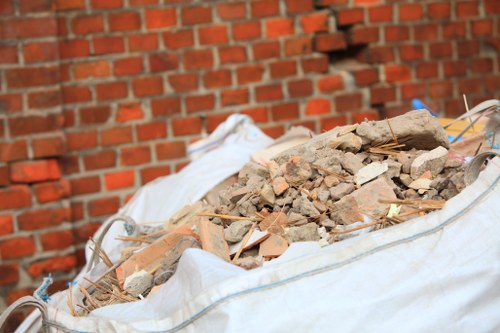 East Ham Skip Hire is committed to maintaining the highest standards of health, safety and environmental protection in all aspects of our rubbish and skip hire operations. This policy sets out the responsibilities, arrangements and controls we apply to reduce risk during rubbish collection, skip delivery and waste removal activities. Our aim is to prevent injury, ill health and damage to property or the environment by applying sound, proportionate safety management across our business.
To achieve this we will: provide safe systems for skip handling and rubbish removal; ensure all equipment is suitable, maintained and inspected; and make sure employees, contractors and visitors receive relevant information, instruction and training. All staff are expected to follow the procedures, use appropriate personal protective equipment and report unsafe conditions promptly.
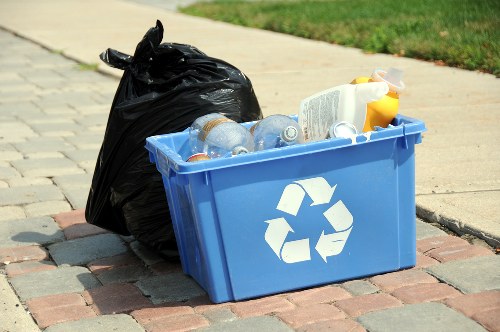 Risk assessment is central to our approach. We will identify hazards associated with skip placement, loading, vehicle movement and manual handling and implement control measures following the hierarchy of controls. Practical measures include use of spotters, exclusion zones during loading, secure load procedures for rubbish and waste removal, and formal directions for handling potentially hazardous items. Regular site assessments will be documented and reviewed when operations change.
Operational Controls and Responsibilities
Managers and supervisors will ensure compliance with this policy by maintaining safe working procedures for skip hire deliveries and rubbish collection. Vehicle drivers must check loads, verify vehicle stability and observe local traffic rules. Employees must not attempt to lift heavy or awkward items without assistance; mechanical aids should be used where practicable. We will implement safe parking and delivery protocols to protect the public and operatives during skip placement and collection.
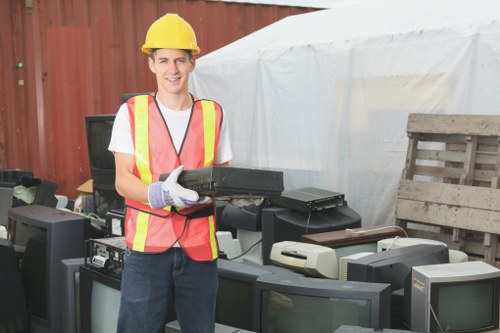
 Core control measures include clear communication between crews, pre-start briefings and use of visible signage. We will maintain an inventory of safety equipment and check that PPE such as gloves, high-visibility clothing, eye protection and steel-toe footwear is worn as required. Safety-critical tasks will be supervised and any deviations from safe procedure must be reported and corrected.
Key health and safety arrangements are supported by documented processes. These include remote and on-site risk assessments, a permit-to-work approach for unusual or high-risk jobs, and designated first aid provision. We will ensure adequate rest breaks and manage workloads to reduce fatigue risks during extended rubbish collection operations.
Training, Reporting and Waste Segregation
Training and competence are essential. All operatives receive induction training covering manual handling, vehicle safety, slip and trip prevention, and correct use of lifting equipment. Refresher training is scheduled periodically and when new tasks or equipment are introduced. Employees are encouraged to raise safety concerns through established reporting channels so lessons can be shared across the team.
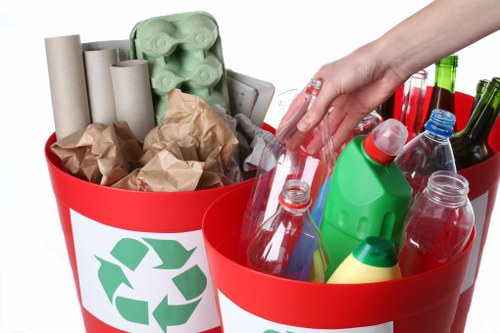
 To control the risks posed by different types of waste we maintain clear segregation policies. A non-exhaustive list of prohibited or controlled items is communicated to customers and staff alike. These include:
- Asbestos and suspected asbestos materials;
- Radioactive or contaminated goods;
- Flammable liquids and compressed gas cylinders;
- Biological waste that requires specialist handling.
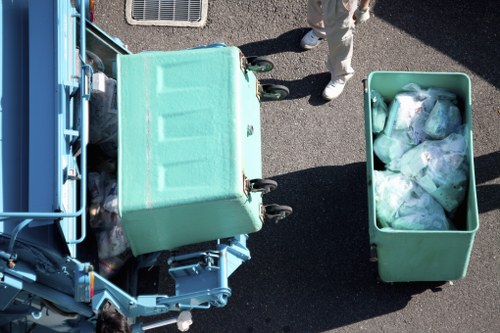 Monitoring and continuous improvement will be delivered through regular audits, incident investigations and performance reviews. We will set measurable objectives for safe rubbish collection, skip placement accuracy and reduction of near-misses. Contractors and subcontractors engaged for skip hire tasks must meet our safety standards and demonstrate competence; contractor induction and periodic checks form part of supplier management.
Incident response is defined and practised. In the event of injury, spill or other emergency, staff will follow the emergency procedures and report incidents promptly. Accident and near-miss reporting helps drive corrective actions and prevents recurrence. We will record and review incidents to inform training needs and procedural changes so our rubbish removal and skip hire services remain safe and reliable.
We will also ensure environmental controls are adhered to: preventing fly-tipping, controlling dust emissions during loading and ensuring secure cover for transported refuse where appropriate. Waste transfer documentation will be maintained to provide a clear chain of custody for waste removed from site.
Management review of this policy will take place at least annually and whenever significant changes to operations or legislation occur. The policy will be communicated to all employees, displayed where staff and visitors can access it, and made available to contractors. By embedding these requirements in daily practice, East Ham Skip Hire seeks to provide efficient, compliant and safe rubbish services for clients while protecting staff, the public and the environment.